Climate ChangeAugust 1, 2022
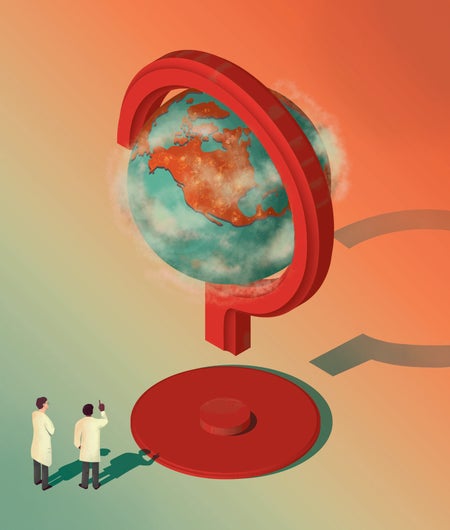
Carbon-Reduction Plans Rely on Tech That Doesn’t Exist
Instead of scaling up renewable energy, researchers promote unproved ideas
Naomi Oreskes is a professor of the history of science at Harvard University. She is author of Why Trust Science? (Princeton University Press, 2019) and co-author of The Big Myth (Bloomsbury, 2023).
Carbon-Reduction Plans Rely on Tech That Doesn’t Exist
Instead of scaling up renewable energy, researchers promote unproved ideas
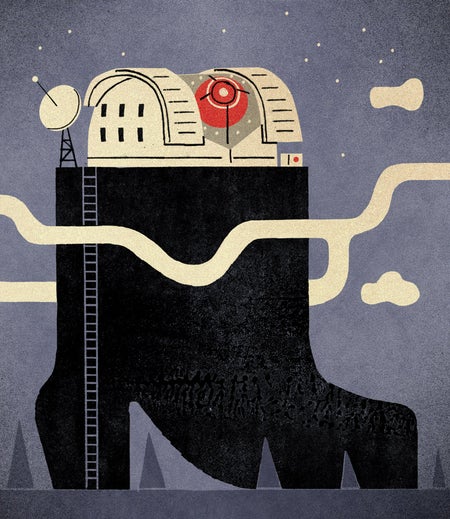
Science Needs to Shrink Its Carbon Footprint
Greenhouse gas emissions from research damage climate
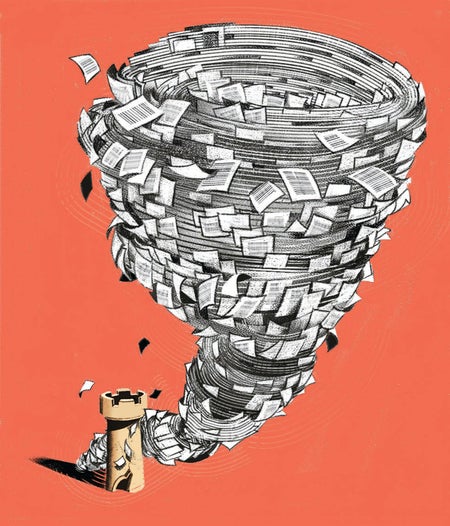
Predatory Journals That Publish Shoddy Research Put People’s Lives at Risk
Doctors may accept spurious claims about medical treatments, and invalid studies wrongly influence public policy
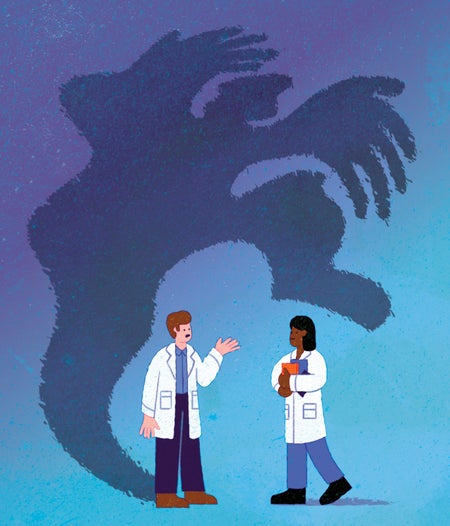
It’s Time for Science to Take Down Bullies in Its Own Ranks
Academics too often use intellectual attainment to excuse abusive behavior. That needs to stop
60 Years after Silent Spring Warned Us, Birds—and Humanity—Are Still in Trouble
Data show alarming declines in wildlife but also point to ways to save it
Popular Health Claims, Such as a Woman’s Fertility Dropping at Age 30, Are Wildly Overblown
People should be skeptical of big claims based on only one study and dig a little deeper
New Nuclear Power Plants Are Unlikely to Stop the Climate Crisis
These plants take too long to build and bring online, and we don’t have that much time
Eating Less Red Meat Is Something Individuals Can Do to Help the Climate Crisis
Our climate problem is big, but a person’s diet change can make an impact
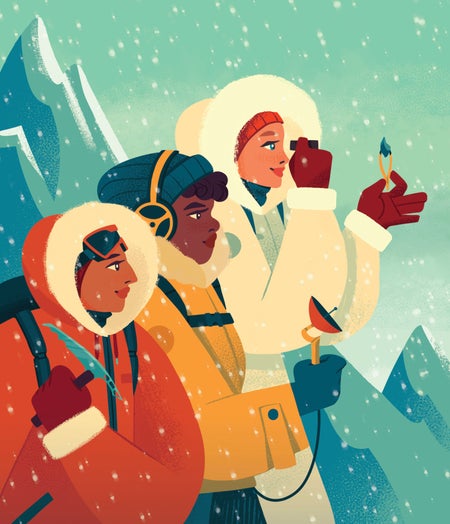
Once Shunned in Antarctica, Female Scientists Are Now Doing Crucial Polar Research
Women are investigating critical climate crisis problems such as the stability of giant ice sheets

Seeking Certainty on Climate Change: How Much Is Enough?
Two physicists object to a Scientific American essay calling for an end to one climate report. A science historian counters that the report has done its job
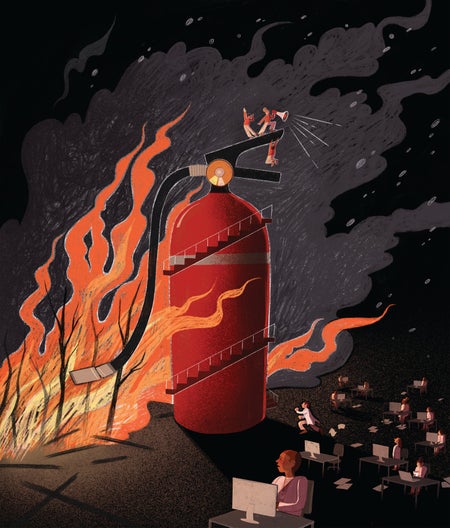
IPCC, You’ve Made Your Point: Humans Are a Primary Cause of Climate Change
It’s time to redirect your major focus to how we deal with the problem
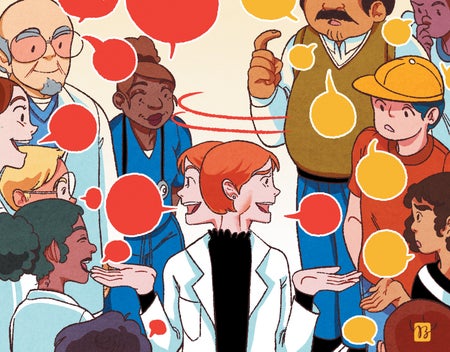
Scientists: When Talking to the Public, Please Speak Plainly
Jargon is appropriate when you’re speaking with colleagues, but it’s a turnoff for the rest of us
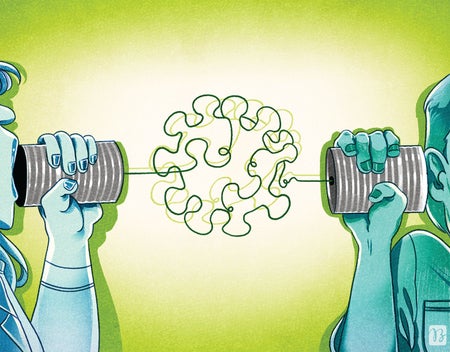
The Lab-Leak Theory of COVID’s Origin Is Not Totally Irrational
Unfortunately, its strongest proponent was, which tainted its reception
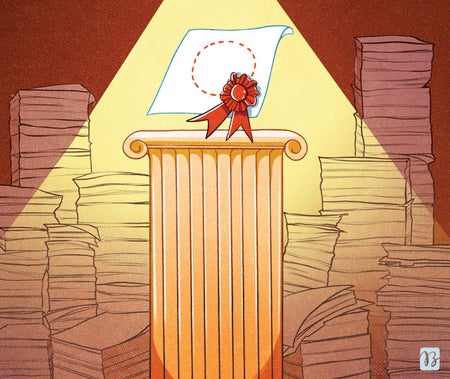
Why Bad Science Is Sometimes More Appealing Than Good Science
Researchers cite studies that can’t be replicated weirdly often
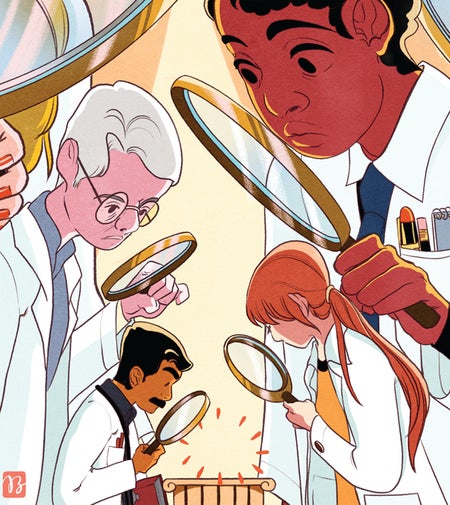
If You Say ‘Science Is Right,’ You’re Wrong
It can’t supply absolute truths about the world, but it brings us steadily closer
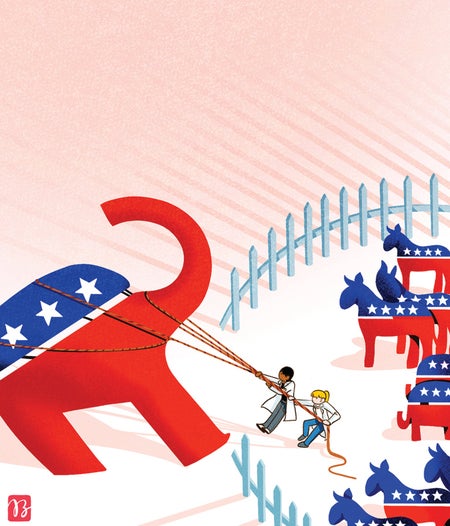
The Reason Some Republicans Mistrust Science: Their Leaders Tell Them To
GOP officials have been denigrating the government, including government scientists, for decades
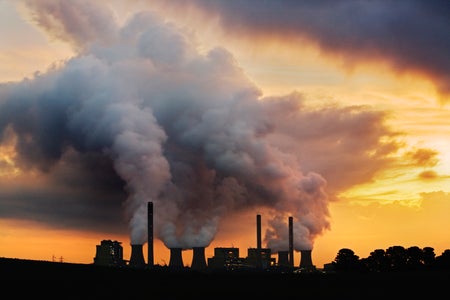
That ‘Obama Scientist’ Climate Skeptic You’ve Been Hearing About ...
His track record on getting climate science right is extremely poor
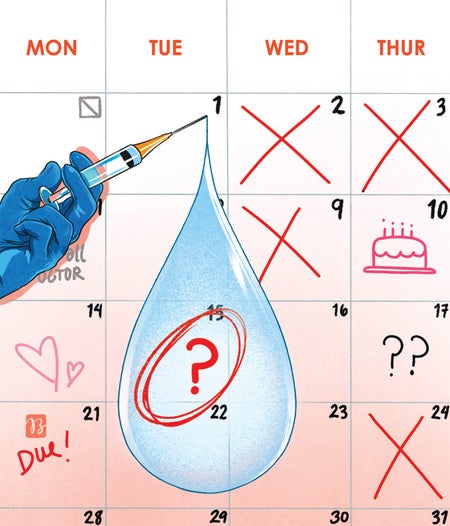
Making Vaccines Is Straightforward; Getting People to Take Them Isn’t
Our instincts are unreliable about which problems are easy to solve and which are hard
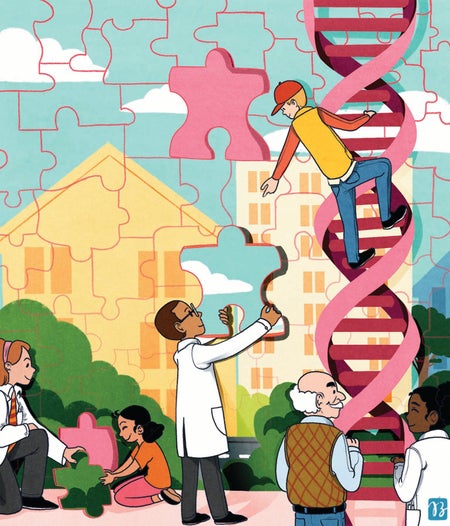
Scientists Should Admit They Bring Personal Values to Their Work
Value neutrality among researchers is a myth that hurts the public trust of science
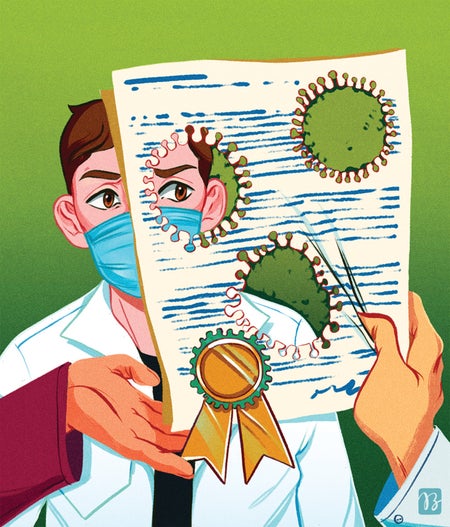
Expert Opinion Can’t Be Trusted if You Consult the Wrong Sort of Expert
The failure of the U.S. to respond appropriately to the pandemic could have been predicted if anyone had bothered to ask social scientists
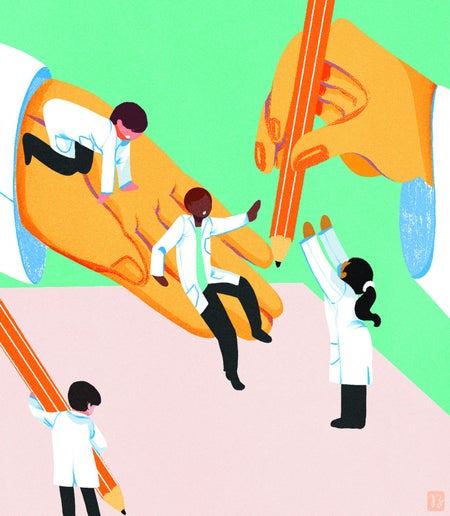
Scientists Need to Be Kinder to One Another
Mutual criticism in research is necessary, but it needn’t be nasty

Exploring Space Can Unite the U.S.—but Not in the Way You Might Think
Survey show that Americans want NASA to monitor climate change and asteroid threats, not land astronauts on the moon
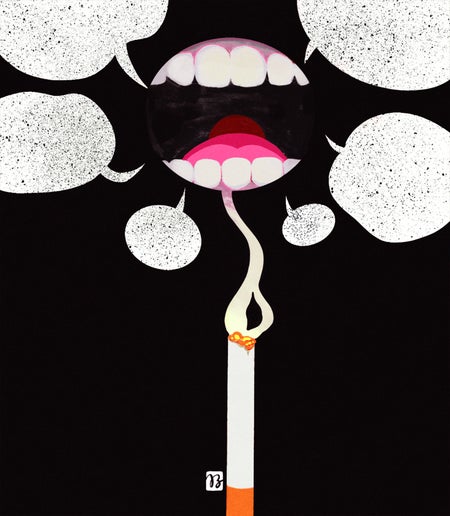
To Understand How Science Denial Works, Look to History
The same tactics used to cast doubt on the dangers of smoking and climate change are now being used to downplay COVID

Scientists Failed to Use Common Sense Early in the Pandemic
The WHO’s initial advice not to wear masks in the fight to contain COVID sowed dangerous confusion